Plant Care Guide
Understanding plant needs helps create conditions where they can thrive. These guidelines are based on observation and botanical principles.
Light Requirements
Light is the primary energy source for plants. Assess your space by observing light patterns throughout the day.
- Bright indirect light: Near east or west-facing windows, filtered through sheer curtains. Most houseplants prefer this.
- Direct sunlight: South-facing windows with unfiltered sun. Only suitable for specific species. Can scorch leaves if too intense.
- Moderate light: Several feet from windows or in north-facing rooms. Suitable for low-light tolerant species.
- Low light: Interior rooms with minimal natural light. Only a few species adapt well to these conditions.
Rotate plants periodically to ensure even growth. Observe leaf orientation—plants naturally lean toward light sources.
Watering Practices
Watering frequency depends on plant species, pot size, soil type, and environmental conditions. There is no universal schedule.
- Check soil moisture: Insert finger into top inch of soil. If dry, water; if moist, wait.
- Water thoroughly: Water until it flows from drainage holes. This ensures entire root ball receives moisture.
- Allow drainage: Never let plants sit in standing water. Empty saucers after watering.
- Seasonal adjustment: Most plants need less water in winter when growth slows.
Signs of overwatering: yellowing leaves, mushy stems, soil that stays wet. Signs of underwatering: drooping, crispy leaf edges, very dry soil.
Soil and Potting
Well-draining soil is essential. Most houseplants require soil that retains some moisture but allows excess water to drain.
- Potting mix: Use quality potting soil designed for indoor plants. Avoid garden soil, which compacts and may contain pests.
- Drainage: Ensure pots have drainage holes. Without drainage, roots can rot.
- Pot size: Choose pots slightly larger than root ball. Too large pots hold excess moisture; too small restricts growth.
- Repotting: Repot when roots fill container or plant becomes root-bound. Spring is ideal timing.
Temperature and Humidity
Most houseplants prefer temperatures between 18-24°C (65-75°F), similar to comfortable indoor conditions.
- Temperature stability: Avoid placing plants near heating vents, air conditioners, or drafty windows.
- Humidity: Indoor air is often drier than plants' natural environments. Some species benefit from increased humidity.
- Grouping plants: Placing plants together can create a slightly more humid microclimate.
- Misting: Light misting can help, but does not significantly raise overall humidity levels.
Fertilization
Plants in containers rely on provided nutrients. Fertilize during active growing seasons, typically spring and summer.
- Frequency: Most plants benefit from monthly fertilization during growing season. Reduce or stop in winter.
- Type: Use balanced, water-soluble fertilizer diluted to half strength. Over-fertilization can damage roots.
- Application: Apply to moist soil, never to dry soil. Water thoroughly after fertilizing.
Common Issues
Plants communicate through their appearance. Observing changes helps identify and address issues early.
- Yellowing leaves: Often indicates overwatering, but can also signal nutrient deficiency or natural aging.
- Brown leaf tips: Usually caused by low humidity, over-fertilization, or inconsistent watering.
- Drooping: Can indicate underwatering, overwatering, or root issues. Check soil moisture first.
- Pests: Inspect regularly. Common pests include spider mites, mealybugs, and scale. Isolate affected plants.
- Leaf drop: Some leaf loss is normal. Excessive dropping may indicate stress from changes in environment.
Seasonal Care
Plants respond to seasonal light and temperature changes. Adjust care practices accordingly.
- Spring: Growth resumes. Increase watering frequency. Begin fertilizing. Good time for repotting.
- Summer: Active growing period. Monitor water needs closely. Protect from intense direct sun.
- Autumn: Growth slows. Reduce watering and stop fertilizing. Prepare for winter dormancy.
- Winter: Dormant period. Water less frequently. Most plants need less light but still require some natural light.
Care Essentials
Watering
Proper hydration is key to plant health
Light
Understanding light requirements
Environment
Temperature and humidity control
Growth
Observing and supporting development
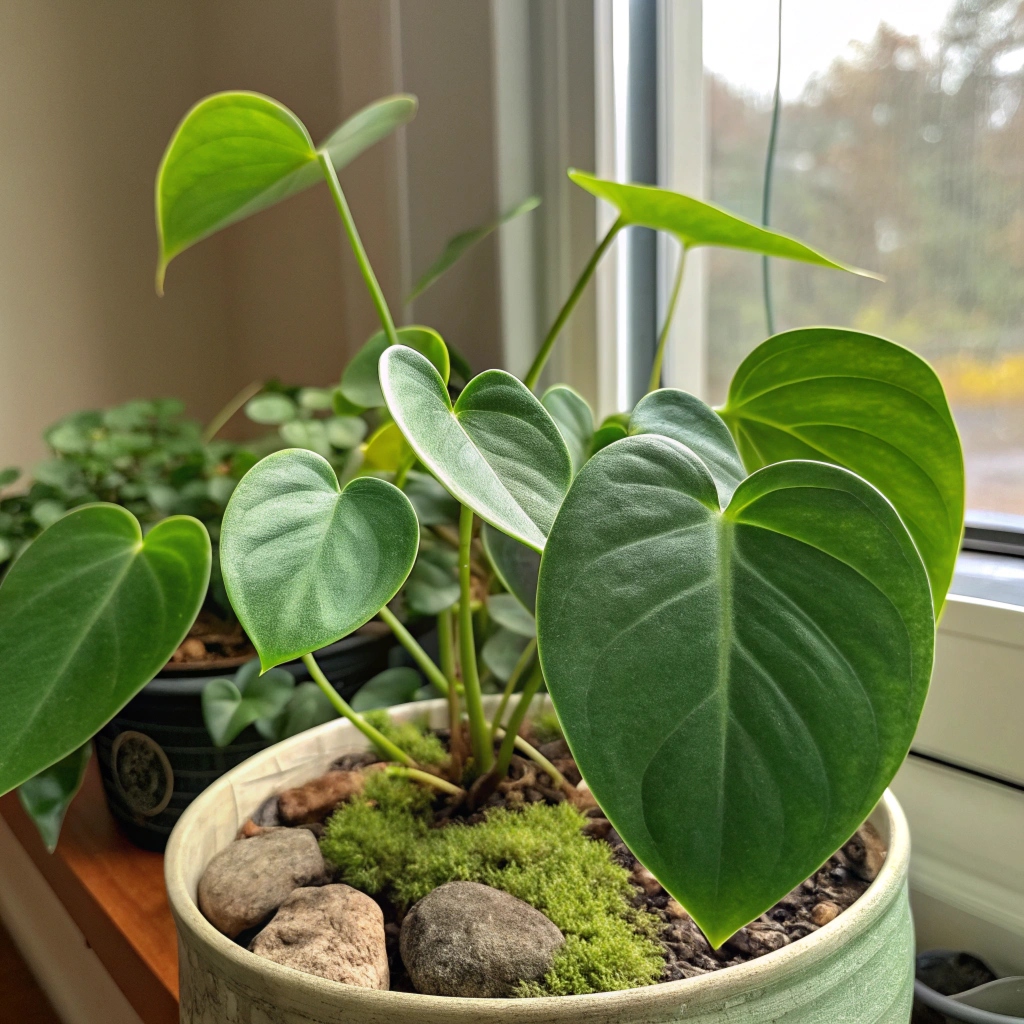
Observation-Based Care
Effective plant care begins with observation. Notice how your plants respond to their environment—leaf color, growth patterns, and overall appearance provide valuable information.
Each plant is unique. What works for one may not work for another, even within the same species. Pay attention to individual needs and adjust care accordingly.
Common Questions
❓ How often should I water my plants?
Watering frequency depends on plant species, pot size, soil type, and environmental conditions. Check soil moisture before watering rather than following a fixed schedule.
❓ What's the best light for houseplants?
Most houseplants prefer bright, indirect light. Avoid direct sunlight which can scorch leaves, and ensure plants receive adequate light for their specific needs.